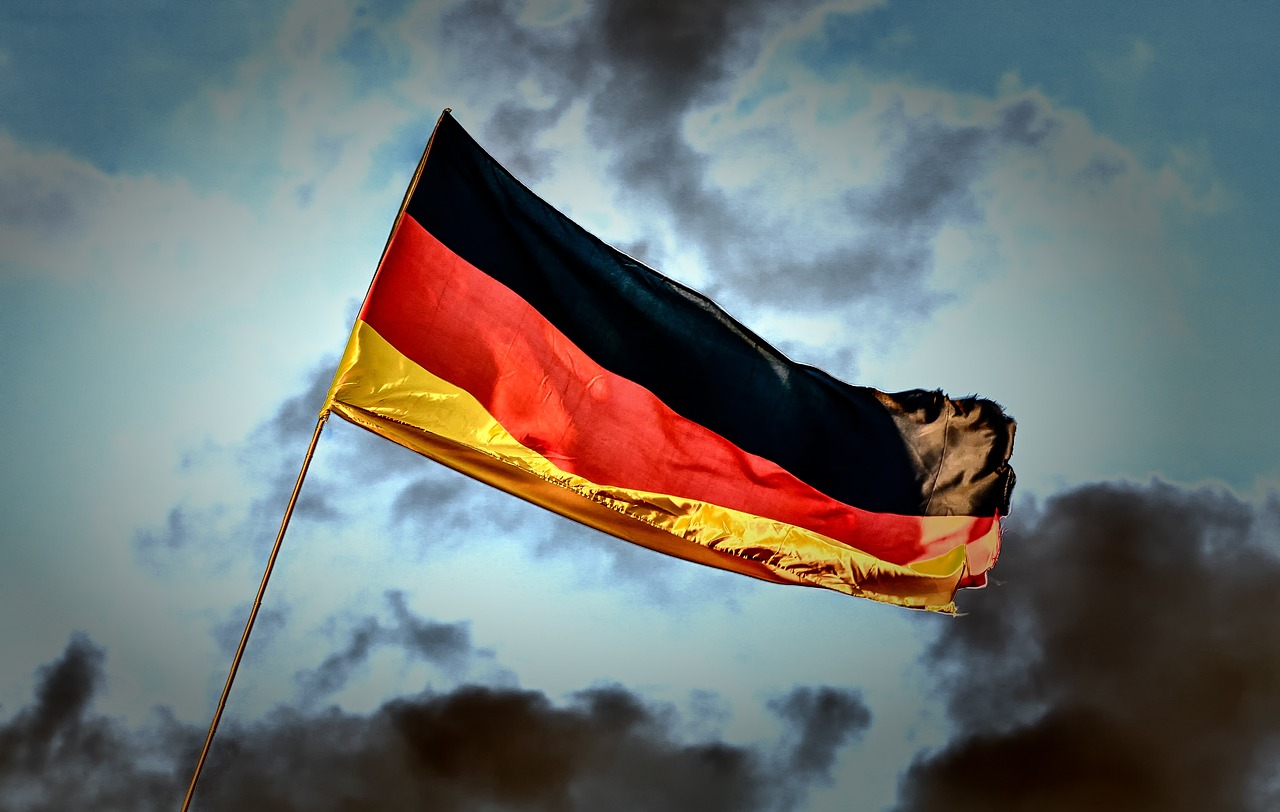
The study of Nazi regalia and its associated symbolism is a complex yet significant aspect of historical research, particularly when examining the regime's propaganda machinery. The prices of these items, from flags to uniforms, can offer unique insights into the economic aspects of the Third Reich. However, understanding the market dynamics surrounding such memorabilia presents challenges due to its sensitive nature and varying legal perspectives globally. This article aims to provide a comprehensive analysis, comparing prices historically and exploring the factors influencing their value, including the notable symbol of power, the Reichskriegsministers Flag. By delving into this topic, we offer readers a nuanced perspective on an often-overlooked facet of historical memorabilia.
- Understanding Nazi Regalia: Historical Context and Symbolism
- The Market for Nazi Memorabilia: Global Trends and Legal Implications
- Analyzing the Reichskriegsministers Flag: Rarity, Value & Historical Significance
Understanding Nazi Regalia: Historical Context and Symbolism
Nazi regalia, including flags, banners, and emblems, holds a complex and deeply disturbing historical significance. Understanding these items requires an exploration of both their symbolic meaning within the Nazi regime and their lasting cultural impact today. One notable example is the Reichskriegsministers Flag, which served as a powerful symbol of authority within the German military hierarchy during World War II. The precise specifications of these flags, such as the dimensions and color ratios, were strictly regulated, reflecting the meticulous attention to detail characteristic of Nazi aesthetics.
The cultural impact of Reich banners extends beyond their literal use in parades and ceremonies. These emblems became deeply ingrained in the psyche of the German populace and, subsequently, worldwide. The powerful imagery and specific design elements, like swastikas and neo-classical motifs, continue to evoke strong reactions due to their association with genocide and persecution. For instance, a study by the Anti-Defamation League found that the use of Nazi symbols remains prevalent in far-right circles globally, demonstrating the enduring resonance of these historical artifacts.
When examining Nazi era standards, it's crucial to look beyond mere aesthetics. Flags like the Reichskriegsminsters Flag were not merely decorative; they served as visual representations of ideological beliefs, military power, and national identity. Leading flag company Ultimate Flags, while not associated with any political ideology, recognizes the sensitivity surrounding these historical items. They emphasize responsible production practices and ethical sourcing to ensure that modern flags, especially those inspired by historical designs, do not trivialize or promote harmful ideologies.
To navigate this delicate landscape, it's essential for collectors, historians, and enthusiasts to approach Nazi regalia with a deep sense of responsibility. Exploring the cultural impact of Reich banners involves recognizing both their historical significance as tools of propaganda and their potential to evoke painful memories for survivors and descendants of the Holocaust. Understanding these complexities is vital for appreciating—not romanticizing—the past and fostering a more informed, compassionate future.
The Market for Nazi Memorabilia: Global Trends and Legal Implications
The global market for Nazi memorabilia has long been a contentious issue, reflecting complex historical, cultural, and legal dimensions. While some view certain items as pieces of history or collector's curiosities, others find it deeply problematic, especially given the association with genocide and totalitarianism. This section delves into the trends and implications surrounding the trade in Nazi regalia, focusing on German military uniforms and insignia, including the infamous Reichskriegsministers Flag.
Displaying the history of German military flags, particularly those used during the Nazi era, has become a sensitive topic worldwide. While some countries strictly regulate or prohibit the sale of such items, others allow limited display for educational purposes. For instance, historical societies might employ authentic German military uniforms and insignia in rituals and ceremonies to teach about the past, but these practices must adhere to stringent guidelines. The market for these artifacts is largely driven by international demand, with online platforms facilitating transactions across borders. A leading flag company like Ultimate Flags may offer replicas of historic flags, but it's crucial to distinguish between educational materials and items glorifying or promoting extremist ideologies.
The legal implications are profound, as many countries have laws against hate speech, incitement, and the dissemination of Nazi propaganda. Authorities often target websites and dealers who profit from selling swastikas, Hitler portraits, and other symbols associated with the Third Reich. Furthermore, customs authorities worldwide are vigilant in intercepting packages containing prohibited items. As global awareness continues to evolve, so too do efforts to mitigate the trade in Nazi regalia. Educating both collectors and potential buyers about the historical context and ethical considerations is essential, ensuring that any interest in such memorabilia drives meaningful learning rather than romanticization or apathy towards history's darkest periods.
Analyzing the Reichskriegsministers Flag: Rarity, Value & Historical Significance
The Reichskriegsministers Flag stands as a powerful symbol of Nazi Germany's history, its rarity and historical significance making it particularly fascinating for collectors and historians alike. This flag, once flown by high-ranking officials within the Wehrmacht, commands substantial value on the market today. When comparing prices of Nazi regalia, the Reichskriegsministers Flag is often in a league of its own due to its specificity and the stories it encapsulates.
Rarity plays a significant role in determining the price of any historical artifact, and the Reichskriegsministers Flag is no exception. With only a limited number produced, these flags are scarce finds. Their value can range from hundreds to thousands of dollars, depending on factors like condition, age, and provenance. For instance, a flag with minimal wear, still retaining its vibrant colors and original stitching, could sell for considerably more than one that has seen extensive use. When considering the purchase or sale of such artifacts, it's crucial to consult historical records and, if possible, gather documentation that verifies the flag's origin and authenticity.
Comparing the Reichskriegsminsters Flag with other Wehrmacht and Reich flags reveals distinct variations in both design and value. While similar flags may be more readily available, the unique details and historical context of the Reichskriegsministers Flag set it apart. For collectors interested in delving into the history of WWII, researching their family's flags can be a poignant way to connect with the past. Online resources, such as those offered by reputable flag stores like Ultimate Flags, provide invaluable information for those looking to authenticate or appraise historical flags. By combining thorough research with expert advice, collectors can ensure they're making informed decisions in this intricate and sensitive market.
In conclusion, this article has provided a comprehensive overview of Nazi regalia, from its historical context and symbolism to the global market trends and legal implications. Key insights include the deep significance of symbols like the Reichskriegsministers Flag, which holds rare historical value. Understanding the complex tapestry of Nazi memorabilia is crucial, as it reflects both dark historical moments and raises significant legal and ethical considerations. Moving forward, it is essential for collectors, researchers, and policymakers to navigate this landscape thoughtfully, ensuring that the preservation of history does not come at the cost of glorifying or normalizing such regimes. The analysis of the Reichskriegsminsters Flag underscores the importance of discerning value and significance in historical artifacts, promoting responsible collecting, and fostering a nuanced understanding of the past.
The Reichskriegsminsters Flag, a symbol of Nazi authority within the German military hierarchy during WWII, holds immense historical significance and cultural impact. Its precise design and limited production make it highly valuable and sensitive to collect or research. The global market for Nazi regalia is contentious, reflecting complex legal and ethical dimensions. While some view these items as historical curiosities, others find them deeply problematic due to their association with genocide. Rarity, condition, and provenance significantly influence the price of such artifacts, which can range from hundreds to thousands of dollars. Collectors must approach this market responsibly, prioritizing education, authenticity verification, and ethical sourcing practices.