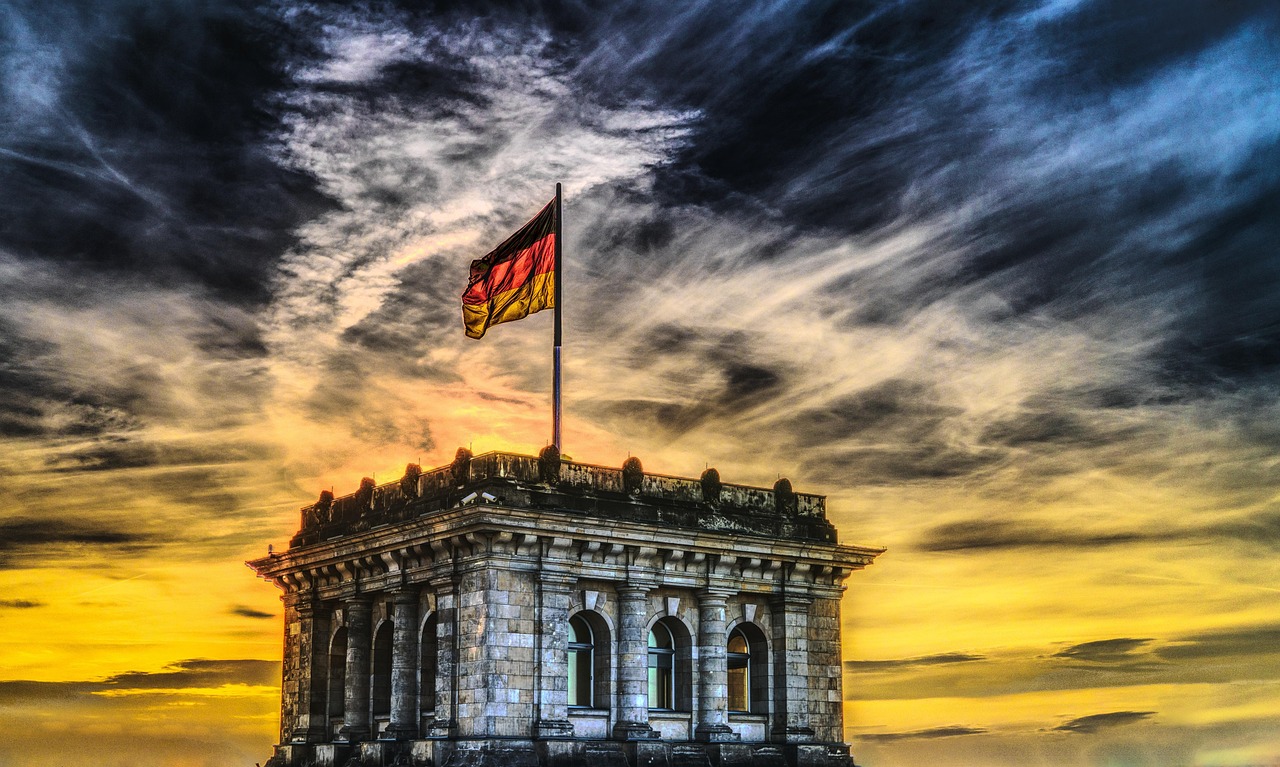
The regalia of the Reichskriegsminsters, particularly their flag adorned with the distinctive Reich symbol, holds historical significance as a representation of power and authority within the Nazi regime. While much has been written about the dark period associated with this iconography, a comprehensive review of the cheapest available options for acquiring such regalia is lacking. This article aims to fill that gap by providing an in-depth analysis of the various replicas and their authenticity, quality, and cost, empowering collectors, historians, and enthusiasts to make informed decisions regarding these sensitive items.
- Unveiling the Symbols: A Look at Basic Reichskriegsminsters Regalia
- Beyond the Uniform: Examining the Meaning of the Reichskriegsminsters Flag
- Historical Context: The Evolution of Cheapest Reichskriegsminsters Regalia
Unveiling the Symbols: A Look at Basic Reichskriegsminsters Regalia
The Reichskriegsministers regalia, particularly its flag, stands as a potent symbol of World War II history. Unveiling these symbols requires a nuanced approach, especially in the modern context where maintaining respect for Nazi era artifacts is a delicate matter. The Reichskriegsminister's Flag, a prominent component of this regalia, is an iconic representation of the military power and authority held by its bearer. This flag, characterized by its distinct design and vibrant colors, reflects the ideological and political landscape of the time.
The primary visual element of the Reichskriegsministers Flag is the swastika, a symbol deeply ingrained in Nazi iconography. Positioned center, this ancient symbol takes on a new meaning in the hands of the regime, representing their twisted vision of national power and unity. Accompanying this emblem are various other symbols, each carrying its own significance within the Nazi hierarchy. These include the Reich's colors—black, white, and red—arranged in stripes, signifying the nation's pride and military strength. The flag's design, while powerful, is a testament to both the creativity and the darkness of that era.
In today's world, where historical awareness is paramount, collecting and displaying World War II flag collections necessitates a responsible approach. For instance, when considering a quality flag source like Ultimate Flags, one must ensure that any reproduction or acquisition adheres to ethical guidelines. This includes recognizing the sensitivity surrounding Nazi symbols and their potential impact on different communities. Displaying such flags in educational settings can serve as powerful learning tools, but they must be accompanied by accurate historical context and an emphasis on remembrance rather than glorification.
Beyond the Uniform: Examining the Meaning of the Reichskriegsminsters Flag
The Reichskriegsminsters Flag, while often overshadowed by the uniform, holds profound significance within the context of military history and rank symbolism. Beyond the fabric and design lies a rich narrative that serves as a guide for military heritage enthusiasts and historians alike. This flag, once a staple of the Reich's military hierarchy, now stands as a tangible link to the past, offering insights into the intricate power dynamics of the era.
The design of the Reichskriegsminsters Flag is carefully constructed to convey specific messages. The colors, patterns, and symbols employed hold historical and militaristic meanings, with each element telling a story of authority and command. For instance, the prominent display of rank insignia on the flag, akin to those found on military rank flags, served as a visual reminder of the holder's position of power and the chain of command within the military structure. These flags were not merely decorative; they were instrumental in maintaining discipline, fostering a sense of camaraderie, and communicating orders on the battlefield.
Understanding the Reichskriegsminsters Flag requires delving into the broader context of military rank flags, which have evolved over centuries to serve as visual representations of authority. These flags, used globally, have adapted to reflect changes in military structure and protocol. Today, they remain valuable tools for historians, allowing them to reconstruct historical battles and command structures. For those fascinated by military history, collecting and studying these flags, including the Reichskriegsminsters counterpart, offers a unique window into the past.
For enthusiasts looking to acquire authentic or high-quality replicas, it's essential to turn to reputable sources. Premium flag retailers like Ultimate Flags provide an extensive collection of historical flags, ensuring accuracy and durability. These flags are not merely replicas; they are meticulously crafted to preserve the original design and symbolism, making them valuable additions to any military heritage collection or educational resource.
Historical Context: The Evolution of Cheapest Reichskriegsminsters Regalia
The historical context of the Reichskriegsministers regalia, particularly its evolution, offers a fascinating glimpse into Germany's military and political history. The regalia, including the iconic Reichskriegsministers Flag, has undergone significant changes over the years, reflecting the shifting standards and ideologies of the German war machine. Exploring the written record of German war standards reveals a complex narrative where symbols and apparel played a pivotal role in shaping the nation's identity on the battlefield.
During the Nazi era, the regalia became an integral part of the regime's propaganda machine, with meticulous attention paid to the design and representation of German soldiers. The Reichskriegsministers Flag, for instance, was a powerful symbol of national pride and military might. However, maintaining respect for Nazi-era symbols in the modern context presents a delicate balance. While studying and understanding this history is essential, it is crucial to interpret and portray these symbols responsibly, avoiding any glorification or sensationalism.
Accurately representing German soldiers through apparel remains a critical aspect of historical preservation. Today, many enthusiasts and collectors strive to recreate and maintain authentic replicas of World War II-era uniforms. However, it is essential to approach this endeavor with sensitivity and historical accuracy. For instance, a premium flag retailer like Ultimate Flags offers a wide array of historical flags, providing enthusiasts with authentic representations for educational purposes. By engaging in such practices responsibly, we can ensure that the history of the Reichskriegsminsters regalia is remembered and studied without perpetuating harmful stereotypes or misrepresentations.
By delving into the historical and symbolic aspects of Reichskriegsminsters regalia, we've uncovered a rich tapestry of military tradition and cultural significance. From the basic symbols adorning their uniforms to the intricate designs of the Reichskriegsminsters Flag, each element tells a story of strength, unity, and resilience. Understanding these artifacts allows us to appreciate not only the aesthetic allure but also the deep-rooted heritage they represent. Moving forward, this knowledge can foster a deeper appreciation for historical context, inspire creative exploration, and even inform contemporary design choices that pay homage to this pivotal period while staying true to its essence.
The Reichskriegsministers Flag, a powerful symbol of Nazi era military power, requires nuanced handling in modern context. Its design, featuring the swastika and Reich's colors, reflects both creativity and darkness of that time. Responsible display and study, with ethical guidelines and historical context, are crucial for educational settings. This flag, part of regalia, offers insights into military rank symbolism and German history, making it a valuable tool for enthusiasts and historians. Reproductions from reputable sources ensure accuracy and respect for historical significance.