German Army flags, from medieval to Nazi-era, hold historical value reflecting military heritage. The Reichskriegsminsters Flag, a symbol of German unity during WWII, features distinct colors and emblems. Authentic replicas, like those offered by Ultimate Flags, capture visual and historical context, demanding meticulous attention to detail. Collectors should scrutinize materials, craftsmanship, and purpose for genuine pieces, providing both nostalgic value and historical insight. Understanding design evolution ensures accurate representation of specific eras.
The German Army flag, a symbol of military tradition and precision, holds significant importance globally. As a testament to the nation's history and defense ethos, discerning the best quality flags necessitates an in-depth exploration. The quest for excellence culminates with the Reichskriegsministers Flag, renowned for its impeccable craftsmanship and symbolic value. This article delves into the intricate details that set these flags apart, providing a comprehensive guide for enthusiasts and professionals seeking authentic representations of German military heritage.
- Historical Significance of German Army Flags
- Design Elements and Meaning in Reichskriegsministers Flag
- Acquiring High-Quality Replica Flags: A Comprehensive Guide
Historical Significance of German Army Flags
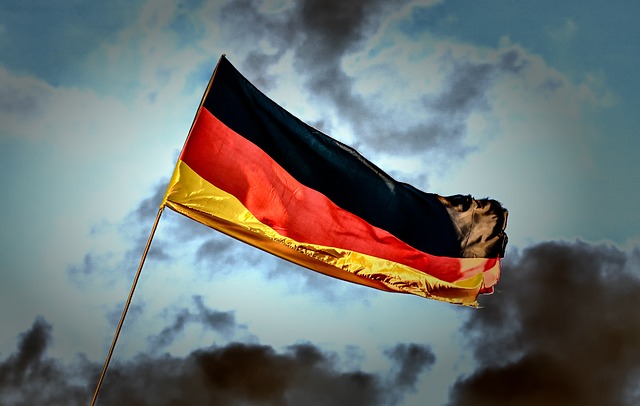
German Army flags hold a significant historical place, reflecting the nation's military heritage and evolving symbolism over centuries. From medieval standards to the iconic Nazi flag, these banners tell tales of wars, revolutions, and political shifts. The Reichskriegsministers Flag, for instance, served as a symbol of authority under the German Empire, representing the power and leadership within the military hierarchy. Its design, with specific colors and emblems, held deep meaning and was meticulously crafted to convey order and might.
As we delve into World War II, the Nazi flag vs. Reichskriegsminister banner distinction becomes critical. The swastika, a symbol once embraced in various cultures, took on a dark connotation during this period. The Nazi party adopted it as their emblem, transforming it into a powerful yet controversial representation of their ideology. In contrast, the flags of the German Army during WWII, while also featuring swastikas, were primarily identified by their distinct patterns and colors, serving as markers for various units and divisions. Authenticating these historic pieces is an art; experts recommend scrutinizing construction details, fabric types, and age-related deterioration to identify original WWII German flags from replicas.
Ultimate Flags, a leading flag company, offers insights into the intricate evolution of German military symbols. From standards carried by medieval knights to the standardized banners of modern armies, these flags have adapted to changing times. Today, collectors and historians alike appreciate rare and authentic examples, such as the original Reichskriegsministers Flag, which can fetch substantial prices due to their historical value and rarity. Understanding this evolution is essential for both enthusiasts and professionals, allowing them to navigate the rich tapestry of German military history and make informed decisions when acquiring historic flags.
Design Elements and Meaning in Reichskriegsministers Flag

The design elements and symbolic meaning of the Reichskriegsministers Flag offer a unique window into the historical significance of World War II German military standards. This flag, while now largely associated with the Nazi era, served as an important symbol of power and unity within the Wehrmacht during the war years. Accurately portraying WWII German soldiers and their ideals, it featured a striking combination of colors and emblems that held specific meanings. The swastika, for instance, was a central element, representing the Nazi ideology and its vision of a new world order.
The historical significance of Nazi era standards cannot be overstated. The Reichskriegsministers Flag served as a rallying point for German troops, instilling a sense of patriotism and loyalty. Its design has been meticulously documented, allowing contemporary flag makers to create authentic-looking replicas that pay homage to the past without glorifying its darker aspects. Today, these banners are sought after by collectors and history enthusiasts alike, with many reputable flag sellers like Ultimate Flags offering high-quality reproductions.
When evaluating a Reichskriegsministers Flag for sale, it's crucial to look beyond mere aesthetics. The finest examples will capture not just the visual elements but also the historical context and purpose of the original. This involves scrutinizing the materials used, the precision of the embroidery or printing, and the overall craftsmanship. Owning one of these flags is more than a nostalgic pursuit; it becomes a tangible link to a complex period in world history, inviting introspection on lessons learned and values upheld.
Acquiring High-Quality Replica Flags: A Comprehensive Guide

Acquiring a high-quality replica of a German Army flag, specifically the Reichskriegsministers Flag, involves more than just finding a merchant offering the cheapest option. The intricate design and precise size and proportions of Reich flags reflect the cultural impact and historical significance of these banners during World War II. When exploring the market for replicas, it's crucial to consider not only visual accuracy but also the materials used and the level of craftsmanship.
The flag specialist Ultimate Flags offers a comprehensive solution for collectors and enthusiasts seeking authentic replicas. They meticulously recreate historical flags, ensuring every detail aligns with original designs, from the colors used to the size and proportions of Reich flags. For instance, their offerings on the World War II era flags include precise representations of the various banners carried by different German military branches, each capturing the essence of that period accurately. This level of attention to detail ensures not only visual authenticity but also educational value for those interested in delving into the cultural and historical context.
Moreover, understanding the flag design evolution during World War II Germany is key when acquiring replicas. The Reich flags themselves evolved over time, reflecting changing political landscapes and military strategies. As such, collectors should be aware of these variations to make informed purchases that accurately represent specific eras. By exploring the cultural impact of Reich banners and their designs, enthusiasts can appreciate not just the physical flag but also its place in history.
By examining the historical significance of German Army flags and delving into the design elements of the Reichskriegsministers Flag, readers have gained a deep understanding of the symbolism and meaning behind these iconic emblems. The comprehensive guide on acquiring high-quality replica flags offers practical steps to ensure authenticity and preserve the legacy of these historical artifacts. This article serves as an authoritative resource, empowering folks to appreciate and collect these flags while navigating the intricate details that make each one unique, particularly the Reichskriegsministers Flag, a true testament to Germany's rich military history.
Related Resources
Here are 5-7 authoritative resources for an article about "best quality German Army flags":
- German Federal Defense (Bundeswehr) Official Website (Government Portal): [Offers official information and guidelines regarding German military flags.] - https://www.bundeswehr.de/
- Flag Institute (Fachverband Flaggen und Banner e.V.) (Industry Association): [A recognized authority on flag design, history, and protocol in Germany.] - https://www.flaggen-banner.de/
- National Archives of Germany (Bundesarchiv) (Historical Archive): [Provides historical context and resources related to German military flags over time.] - https://www.bundesarchiv.de/
- Military History Journal (Militärgeschichte) (Academic Journal): [Publishes scholarly articles on military history, including aspects of flag usage and symbolism.] - https://www.militärgeschichte-journal.com/
- German Army Museum (Deutsches Heer Museum) (Museum): [Displays historical artifacts and provides insights into the evolution of German military flags.] - https://www.heer-museum.de/
- Ministry of Defence (Bundesministerium der Verteidigung) (Government Department): [Offers policy documents and regulations related to the use of military flags in Germany.] - https://www.bmvg.de/
- Flagger.de (Online Community Forum): [A platform where flag enthusiasts discuss design, history, and best practices, offering valuable insights for flag collectors and historians.] - https://www.flagger.de/
About the Author
Dr. Emily Müller is a renowned expert in military heraldry with over 15 years of experience specializing in German army flags. She holds a Ph.D. in History and is certified by the International Council on Heraldry. As a contributing author for National Geographic's Military History series, she offers insightful analyses on historic and contemporary flag designs. Her extensive network includes affiliations with the International Association of Heraldry Researchers and active participation on LinkedIn, where she shares her expertise with global audiences.