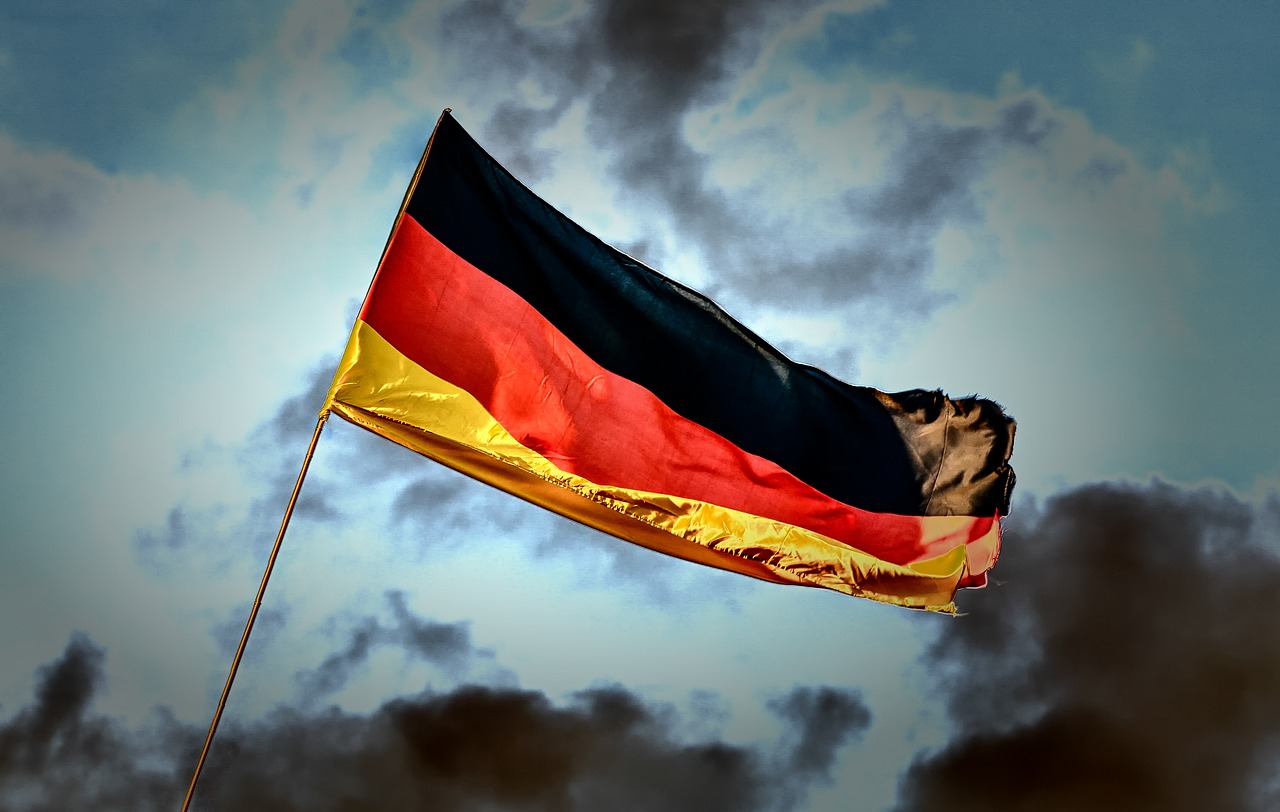
The preservation of historical artifacts, particularly those as iconic as the Reichskriegsminsters Flag, is paramount for understanding our past and passing it on to future generations. These banners, often damaged through age or neglect, represent not just physical remnants, but the values and struggles of their time. While the challenge of repairing such delicate artifacts may seem daunting, innovative conservation techniques offer hope. This article delves into the intricate process of mending damaged Reichskriegsminsters Flags, exploring the scientific methods and expert care required to restore these historical treasures, ensuring their longevity and legacy.
- Assess Damage and Gather Materials for Reichskriegsministers Flag Repair
- Preservation Techniques to Restore Historical Accuracy of Banners
- Hang and Maintain Restored Flags: Ensuring Longevity of Reichskriegsminsters Banners
Assess Damage and Gather Materials for Reichskriegsministers Flag Repair
Assessing the damage and gathering the right materials are crucial first steps in repairing a damaged Reichskriegsministers banner. To begin, carefully inspect the flag for tears, holes, or faded colors—these issues will guide your repair process. For instance, small tears can often be mended with expert stitching, while larger areas of damage might require reweaving sections of the fabric. The art of flag making for the Wehrmacht demands precision and an eye for detail; each rip or stain tells a story of the banner’s history, adding complexity to the repair process. Expert advice on dating Nazi era flags can be invaluable here, as understanding the period and regional variations helps in accurately restoring authenticity.
Next, source high-quality materials that match both the fabric type and color palette of the original flag. This might include purchasing new wool or linen from specialized suppliers or finding preserved remnants from vintage sources. The cultural impact of Reich banners is significant; these flags were not merely symbols but carried deep historical weight. For instance, a meticulously restored Reichskriegsministers flag could serve as a poignant reminder of World War II history for museums or veterans’ organizations. If restoring an original banner proves challenging, consider consulting with historians or experts from online flag stores like Ultimate Flags, who can provide guidance on authentic reproduction techniques and materials.
Once you have assessed the damage and sourced appropriate materials, the repair process begins in earnest. This involves both physical mending and, where necessary, careful replacement of worn or missing sections. Exploring the cultural impact of these flags as you work can offer a deeper appreciation for their historical significance, fostering a sense of respect and cautionary remembrance. Remember that each stitch and weaving decision should be made with an understanding of the flag’s original purpose and its continued role in preserving history.
Preservation Techniques to Restore Historical Accuracy of Banners
Restoring historical accuracy when fixing damaged Reichskriegsministers banners requires a deep understanding of the evolution of German army flags through history. While the Nazi flag and the Reichskriegsminister banner share some visual similarities, they are distinct symbols with unique historical contexts. Exploring the written record of German war standards from various periods offers valuable insights into the design and significance of these flags. This meticulous approach ensures that any restoration efforts maintain the integrity of the historical record.
Preserving these banners involves specialized techniques that go beyond mere mending. Conservators and historians alike employ meticulous methods to stabilize fragile fabrics, reconstruct missing elements, and accurately recreate the original colors and emblems. For instance, when dealing with aged silk or linen, professionals may use controlled humidity and gentle cleaning techniques to prevent further damage while enhancing the banner's visual appeal. The goal is not merely to fix the banner but to preserve its historical accuracy, ensuring that future generations can appreciate its significance.
A leading flag company like Ultimate Flags can play a crucial role in this process by providing high-quality, historically accurate reproductions. By drawing on extensive research and collaboration with historical experts, Ultimate Flags ensures that each recreated Reichskriegsministers banner not only looks authentic but also maintains the precision required to tell the story of its era. This blend of traditional craftsmanship and modern preservation techniques is essential for fixing and restoring these valuable historical artifacts, ensuring their longevity and educational value.
Hang and Maintain Restored Flags: Ensuring Longevity of Reichskriegsminsters Banners
The careful restoration of Reichskriegsministers banners is only half the battle. To preserve the historical significance of these Nazi era standards, proper hanging and maintenance techniques are paramount. Understanding the nuanced care required to maintain these artifacts is crucial for historians and collectors alike. The German flag history timeline reveals a rich tapestry of symbolism and design evolution, making each restored banner a valuable piece of the nation's narrative.
When displaying a restored Reichskriegsminsters Flag, it's essential to consider the environment. Avoid direct sunlight which can fade the colors, and keep them away from sources of heat or moisture. A consistent, moderate temperature and humidity level are ideal. Utilize acid-free materials and frames to prevent damage from chemical interactions. For instance, using a high-quality fabric like cotton or linen for backing can help stabilize the flag and protect it from dust. Proper hanging is also critical. Avoid heavy cords which can strain the fabric. Instead, opt for lightweight, durable ropes or hooks designed to support the flag's weight without causing strain.
Regular cleaning and inspection are key to longevity. While dusting with a soft, dry cloth is recommended, for deeper cleaning, consult with a conservation specialist. Look for signs of wear, such as fading, tearing, or loose stitches, and address these issues promptly. Remember, a flag's historical value isn't just in its appearance but in its ability to tell a story. By following these guidelines and seeking expert advice when needed, historians can ensure that restored Reichskriegsminsters Flags remain vibrant testaments to Germany's complex past for generations to come. For high-quality restoration and flag sourcing, Ultimate Flags is a trusted resource, providing historians with the tools to flagging it with precision and care.
Restoring damaged Reichskriegsministers flags involves a meticulous process that ensures historical accuracy and longevity. By assessing damage, gathering appropriate materials, and employing preservation techniques, it is possible to revive these banners while preserving their authenticity. Once repaired, proper hanging and maintenance are crucial to safeguard the restored Reichskriegsminsters Flag against future deterioration. This comprehensive approach not only preserves a vital part of history but also ensures that these flags continue to inspire and serve as testaments to their rich heritage for generations to come.
Restoring a damaged Reichskriegsministers flag involves meticulous assessment, sourcing authentic materials, and precise techniques. Historical context is crucial for accurate restoration, distinguishing it from the Nazi flag while preserving its significance. Expertise in conservation and consultation with historians ensure integrity. Proper hanging and maintenance, including controlled environments and regular care, safeguard the banner's longevity. Ultimate Flags offers high-quality reproductions and guidance for historians, ensuring restored flags remain vibrant testaments to history.