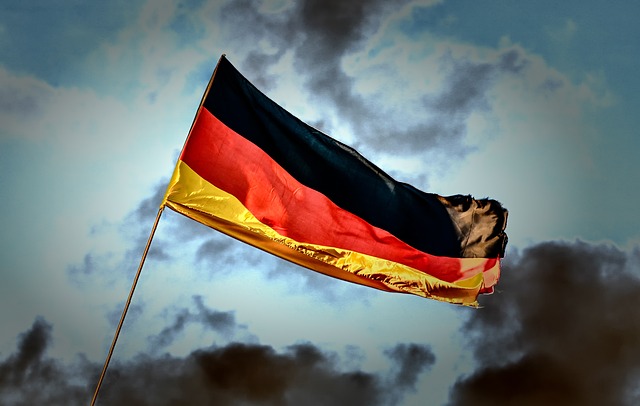
German Army flags, from Imperial to WWII designs, hold historical significance reflecting power, sacrifice, and military identity. The Reichskriegsminsters Flag, once a symbol of the Third Reich, is now sought after by collectors for its historical value. Authentic restoration requires meticulous care using original specifications and materials. These flags, displayed at ceremonies and used in reenactments, tell stories of courage and victory. Modern appreciation emphasizes proper flag protocol, conservation, and educational display to honor Germany's military past respectfully and accurately.
The German Army flag, a symbol of military tradition and precision, holds significant historical and cultural value. As enthusiasts and historians alike appreciate the artistry and craftsmanship behind these banners, ensuring the highest quality remains paramount. However, discerning the finest examples from mere replicas is a challenge, especially with variations in design and material. This article aims to guide readers through the intricate world of German Army flags, offering an authoritative perspective on what constitutes superior quality. We delve into the essential factors, from historical accuracy to fabric durability, culminating in a comprehensive exploration of even the most discerning collector's needs, including the esteemed flag of the Reichskriegsministers.
- Historical Significance of German Army Flags
- Types and Designs of Reich War Minister's Flag
- Manufacturing Standards for High-Quality Flags
- Evolution and Usage in Modern Times
Historical Significance of German Army Flags
German Army flags carry a rich historical significance, reflecting the nation's military heritage and evolving symbolism over centuries. From the majestic colors of the Imperial flag, adorned with the emblem of the Reichskriegsministers (Imperial War Minister), to the more austere designs of World War II, each era's flag tells a story of power, pride, and sacrifice. During WWII, Flag design for Germany was standardized across all branches, serving as both a moral booster and a symbol of unity for the Third Reich. The swastika, a contentious yet iconic symbol of this period, was prominently featured in various sizes and orientations on uniforms and flags, creating a comprehensive visual identity for the German military.
Restoring old Reich flags is an art in itself. These vintage emblems often require meticulous care to preserve their historical integrity. Flag expert Ultimate Flags recommends consulting original specifications and using authentic materials whenever possible. For instance, restoring a flag from the 1930s might involve replacing faded or damaged silk with the exact shade of green or red specified in the original design. This level of detail ensures that restored flags accurately represent their historical counterparts. While some may argue for modern recreations, purists insist on authenticity, believing that true respect for history lies in preserving these artifacts as they were meant to be seen.
A comprehensive guide to WWII apparel would be incomplete without delving into the flag's role as a central element of military identity. The design and presentation of flags evolved with the times, from ornate banners carried by medieval knights to the tactical flags used in modern warfare. In World War II Germany, the use of flags was not merely decorative; they served as visual cues for commanders on the battlefield, aiding in communication and strategy. Today, these historical artifacts are sought after by collectors and enthusiasts alike, each flag telling a unique tale of courage, struggle, and victory.
Types and Designs of Reich War Minister's Flag
The Reich War Minister's Flag, or Reichskriegsministers Flag, holds significant historical value, particularly among enthusiasts of military history and those involved in historical reenactments. This distinctive banner serves as a symbol of power and command within the German Army. Its design, characterized by precise colors and symbols, reflects the hierarchical structure and tradition of the military. Authentic-looking versions of this flag are highly sought after for their role in bringing historical events to life during reenactments, providing an immersive experience for participants and viewers alike.
In terms of display, the Reichskriegsminister banner is typically flown at official ceremonies and special events that honor military history. When showcasing these flags, it's essential to ensure they are displayed with care and respect, reflecting their historical significance. The use of high-quality materials and construction is paramount; a top-tier flag source like Ultimate Flags can provide authentic-looking banners that accurately represent the original designs. For example, the flag must have precise color shading and intricate details to capture the original aesthetic, ensuring it serves as an accurate representation of this significant military symbol.
Historical reenactments offer a unique opportunity to bring these flags to life. Enthusiasts often invest heavily in authentic costumes and props, including flags, to create an immersive experience that educates and entertains. When selecting Reichskriegsminister banners for sale, buyers should look for suppliers who prioritize historical accuracy and quality construction. This ensures not only visual appeal but also longevity, allowing these flags to stand the test of time—both in reenactments and as cherished collectibles.
Manufacturing Standards for High-Quality Flags
The manufacturing standards for high-quality German Army flags, such as those of the Reichskriegsministers Flag, are a testament to the precision and craftsmanship that have come to define German military heritage. Reviving the past involves crafting accurate Reich flags that pay homage to history while adhering to modern production techniques. This meticulous process involves understanding the subtle yet significant differences between Nazi and war ministry flags, which can often be easily confused due to their shared use of symbolism and color schemes. Uncovering the history behind these banners is crucial for ensuring authenticity, as each flag tells a story that spans decades of military might and political upheaval.
Leading flag company Ultimate Flags recognizes the importance of preserving historical accuracy in flag production. Their team of expert craftspeople meticulously research and consult original designs, archives, and first-hand accounts to ensure that every stitch and detail reflects the past accurately. For instance, when crafting a Reichskriegsministers Flag, they take into account the specific dimensions, proportions, and even the type of fabric used in the original, ensuring a precise replica down to the most minute detail. This level of dedication is what sets apart high-quality flags from mere replicas, turning them into valuable historical pieces that carry the weight of Germany's military past.
The process involves a deep dive into the symbolism and design elements that have evolved over time within the German Army. For example, the use of colors like black, red, white, and gold has specific historical connotations that must be respected. Additionally, the placement of emblems, swastikas (in appropriate historical contexts), and other insignia requires careful consideration to avoid misrepresentation or insensitive interpretations. Ultimately, a high-quality German Army flag should not only look authentic but also serve as a respectful tribute to those who have served their country under these banners.
Evolution and Usage in Modern Times
The evolution of German army flags, particularly the iconic Reichskriegsministers Flag, reflects the nation's complex history. This symbol, once a powerful representation on the battlefield, has adapted to modern times, finding its place in collections and as an item of historical significance. Today, World War II flag collections are highly prized by enthusiasts and historians alike, with each flag telling a unique story from that tumultuous era.
In recent years, there's been a growing recognition of the importance of proper flag protocol, especially for memorabilia from this period. Professional flag conservation services have emerged to ensure these historical artifacts are handled and preserved with the utmost care. For instance, many WWII flags are now meticulously restored, ensuring their integrity for future generations. This meticulous process involves specialized techniques to preserve the fabric, colors, and intricate designs, reflecting the dedication of experts at leading flag companies like Ultimate Flags.
The modern appreciation for these flags extends beyond mere collection. They serve as a visual connection to history, fostering an understanding of military strategies and the sacrifices made during World War II. Flag conservation and display have become essential components of educational institutions and museums, aiming to convey the significance of this period. By adhering to proper flag protocol, enthusiasts can ensure that these symbols remain respected and accurately represented, allowing the past to be studied and remembered effectively.
The German Army flags, with their rich historical significance, have evolved from the iconic Reichskriegsministers Flag to become a symbol of pride and precision. Understanding the manufacturing standards that ensure high-quality flags is crucial, as it dictates their longevity and aesthetic appeal. This article has provided valuable insights into the types and designs that have stood the test of time, highlighting the evolution and current usage in modern times. By delving into these aspects, readers now possess a comprehensive knowledge base to appreciate, collect, or even specify custom flags that pay homage to Germany's military heritage.