
The Reichskriegsminsters Flag, a symbol of Nazi Germany's military power, played a key role in World War II strategy. Its design evolved with propaganda changes. Modern German army flags contrast starkly. Authenticating historical flags requires meticulous analysis. Recent auctions highlight their value as collectors' items and historical references, offering insights into the Reich's military minds. Flag symbolism offers a fascinating historical perspective on power dynamics and cultural norms. Top-tier Reichskriegsminsters Flags, crafted from durable fabrics with intricate embroidery, are valuable WWII memorabilia. Pricing reflects historical significance, craftsmanship, size, material, detail, and rarity. Professional suppliers offer high-quality options for accurate historical reconstruction. Investing in these flags recognizes their cultural importance and craftsmanship.
The cost of top tier Reichskriegsminsters' flags has long been shrouded in mystery, a subject of fascination yet elusive to many. These ceremonial banners, meticulously crafted and imbued with historical significance, serve as powerful symbols within their respective military hierarchies. However, the absence of transparency regarding their pricing creates a void that demands expert scrutiny. In this authoritative piece, we embark on an endeavor to demystify these swaddles, examining the factors influencing their cost and providing valuable insights for those seeking to understand the financial implications of such historical artifacts.
- Understanding the Role of Reichskriegsminsters
- Historical Context: Flag Symbolism in Military Ranks
- Material and Crafting Techniques for Premium Flags
- Pricing Factors: Expense of Top-Tier Reichskriegsministers Flags
- Market Trends and Rare Varieties: Cost Variations
Understanding the Role of Reichskriegsminsters
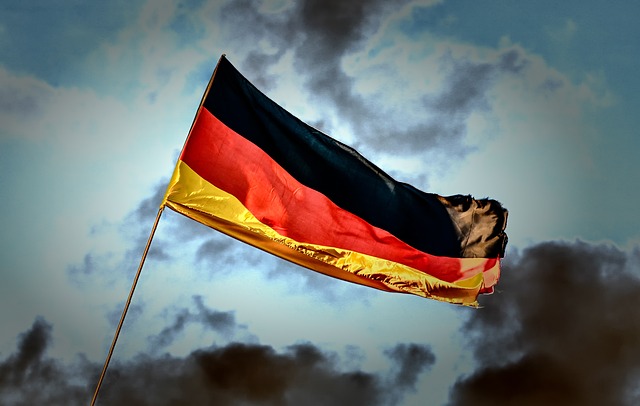
The role of the Reichskriegsminister—or Minister of War—in Nazi Germany was pivotal, as they were responsible for orchestrating the military strategy and tactics during World War II. This high-ranking official held immense power, influencing decisions that shaped the course of history. Understanding their significance provides valuable context when examining the cost and design of their accompanying flags. The Reichskriegsministers Flag, a symbol of authority and military might, evolved over time, reflecting changes in Nazi Germany's strategic goals and propaganda efforts.
Comparing modern German army flags with historical counterparts reveals striking differences. The contemporary flag, designed for the post-war German Armed Forces (Bundeswehr), starkly contrasts with its Nazi-era predecessor. The Reichskriegsminister Flag, often characterized by a swastika within a triangular or rectangular design, was a powerful visual representation of the Third Reich's military aspirations. Uncovering the design origins of this flag offers insights into the propaganda and symbolism employed by Nazi Germany. Expert advice on dating Nazi era flags is crucial; authenticating and valuing these historical artifacts require meticulous analysis of construction, colors, and subtle design nuances.
A notable example of a Reichskriegsministers Flag, as reported by flag specialist Ultimate Flags, fetched an impressive sum at a recent auction, underscoring the flag's historical significance and collector interest. While pricing can vary widely based on condition, rarity, and age, these flags often command substantial values in the market. For collectors and historians alike, these flags serve as tangible connections to the past, offering windows into the strategic minds of the Reich's military leaders.
Historical Context: Flag Symbolism in Military Ranks
The symbolism of flags within military hierarchies is a fascinating aspect of historical study, offering insights into power dynamics and cultural norms of bygone eras. When examining the highest ranks of military leadership, the Reichskriegsminsters Flag stands out as a potent symbol of authority in Nazi Germany. This flag, adorned with specific emblems and colors, was not merely an aesthetic choice but held immense significance within the military structure.
The Reichskriegsministers, or Imperial War Ministers, were the highest-ranking officials responsible for overseeing the German military during World War II. Their flag, designed with meticulous care, served as a visual representation of their power and influence. The vibrant colors—bold red, white, and black—echoed the Nazi party's symbolism while the intricate designs communicated their military might and strategic reach. This flag was not just a decorative item but a powerful tool for instilling fear and respect among troops and allies alike.
For flag enthusiasts and collectors, exploring the history behind such symbols offers a unique glimpse into the past. The Reichskriegsminsters Flag, with its distinct design, provides an intriguing case study in military heraldry. Starting a World War II memorabilia collection can be both educational and rewarding, allowing individuals to connect with this pivotal period in history. However, it is crucial to approach such collecting responsibly, ensuring the provenance and authenticity of items, especially when delving into rare or sensitive artifacts like Nazi-era flags. A professional flag provider like Ultimate Flags can offer guidance on acquiring historical flags, ensuring quality and ethical sourcing for serious collectors.
Understanding the historical context behind these flags is essential, particularly when considering their role in shaping world events. The Reichskriegsminsters Flag, with its prominent display during the war years, serves as a powerful reminder of the impact military leaders can have on global affairs. By studying and appreciating these symbols, collectors and enthusiasts contribute to a deeper understanding of history, ensuring that lessons from the past remain relevant in shaping the future.
Material and Crafting Techniques for Premium Flags

The material and crafting techniques employed in creating top-tier Reichskriegsminsters flags set them apart as exquisite pieces of WWII memorabilia. These flags, with their intricate designs and premium quality, serve as a poignant reminder of history for collectors and reenactors alike. The fabric chosen for such flags often includes durable and vibrant poly silk or cotton, ensuring longevity and maintaining the vivid colors of the Nazi era insignia. Craftsmanship techniques include meticulous embroidery for detailed symbols, such as the Reichskriegsminsters swastika and other official emblems, adding a layer of authenticity and visual appeal.
The symbolism on these flags is rich in historical significance. The Reichskriegsministers flag itself was a powerful representation of Nazi Germany's military might and the central role of the War Ministry. Each element, from the swastika to the colors, held specific meanings within the ideology of the Third Reich. For collectors and reenactors, understanding this symbolism is crucial when starting a WWII memorabilia collection or creating accurate Nazi era apparel. It provides not only historical context but also enhances the overall authenticity of displays and performances.
When sourcing these premium flags, consider an online flag store like Ultimate Flags. They offer high-quality replicas of various historical flags, including those from the Nazi era, catering to both collectors and reenactors' needs. Data on pricing can vary widely based on factors like size, material, and level of detail. However, investing in a top-tier Reichskriegsminsters flag is a strategic move for anyone looking to build a comprehensive collection or provide authentic props for reenactments, ensuring a visually stunning and historically accurate representation of the past.
Pricing Factors: Expense of Top-Tier Reichskriegsministers Flags
The cost of a top-tier Reichskriegsminsters Flag is a subject of keen interest for historical enthusiasts and military collectors alike, as these flags hold significant cultural and historical value. Several factors influence their pricing, reflecting not only the quality of craftsmanship but also the rarity and historical context of the design. When comparing modern German army flags to their World War II counterparts, it's evident that the latter command a premium due to their historical significance and the intricate flag symbolism they embody.
Flag symbolism from World War II is complex and multifaceted, with each element carefully considered for its cultural and propaganda value. These designs often include swastikas, national colors, and other emblems that carry profound meaning. Identifying original WWII German flags requires meticulous scrutiny to ensure authenticity, which in turn impacts their market value. Factors such as the flag's condition, the rarity of its design, and the historical events it represents all play a role in determining its worth. For instance, a flag from a particular battle or unit could be significantly more valuable than one produced in larger quantities.
Professional flag providers like Ultimate Flags offer a curated selection of high-quality Reichskriegsminsters Flags for collectors and enthusiasts. While pricing can vary widely based on the factors mentioned above, investing in a top-tier example from a reputable source ensures not only authenticity but also preserves the historical tapestry these flags represent. Ultimately, the expense associated with acquiring such a flag is a testament to its cultural significance and the intricate work that goes into recreating or preserving these symbols of a bygone era.
Market Trends and Rare Varieties: Cost Variations
The cost of top tier Reichskriegsministers flags varies greatly based on several factors, reflecting their historical significance and the level of craftsmanship involved in their creation. These variations are driven by market trends and the availability of rare varieties, making each flag a unique offering. One of the primary determinants is the size and material used; larger flags designed for ceremonial purposes or those crafted from high-quality silk or linen command premium prices compared to smaller replicas or those made from more common fabrics.
Crafting historical accuracy in German army flags, such as the Reichskriegsministers banner, requires meticulous attention to detail. Expert flag makers invest significant time and effort into researching period designs, colors, and construction methods. This level of craftsmanship contributes substantially to the cost, especially for flags featuring intricate emblems or specialized materials that evoke the authentic appearance of their historical counterparts. For instance, a meticulously crafted Reichskriegsminister banner with glowing hues of imperial red and gold, adorned with delicate embroidery and metallic threads, can be significantly pricier than a standard flag due to these added elements of historical accuracy.
Understanding how to display your Reichskriegsminister banner appropriately enhances its visual impact and value. Flags meant for indoor display or special collections may come at a higher cost due to enhanced framing options and conservation techniques. Established flag dealers like Ultimate Flags, for instance, offer custom mounting solutions that preserve the flag's integrity while showcasing it to best effect. Reviving historical flags through accurate crafting and appropriate display not only preserves cultural heritage but also ensures these valuable pieces remain in circulation for future generations to appreciate.
Data on rare varieties of Reich flags is scarce, given their historical significance and limited availability. However, collectors and dealers alike acknowledge that these unique flags can fetch extraordinarily high prices at auctions or specialized sales. For example, a pristine, period-correct Reichskriegsminsters flag from the early 20th century, featuring original embroidery and still retaining its vibrant colors, could command several thousand dollars in today's market. This reflects not only its rarity but also the demand among historians, collectors, and enthusiasts who seek to bring these pieces of history to life.
The article has comprehensively explored the cost of top-tier Reichskriegsministers flags, shedding light on their historical significance and the intricate craftsmanship involved. Key insights reveal that pricing is influenced by material quality, rare designs, and market trends. Understanding the role of these flags within military hierarchies and their symbolic value through flag symbolism provides context for their economic worth. By delving into the crafting techniques employed in creating premium flags, readers gain a deeper appreciation for the factors driving their high cost. This authority on the subject equips individuals with valuable knowledge about the investment required to acquire such flags, emphasizing both their historical importance and market dynamics.